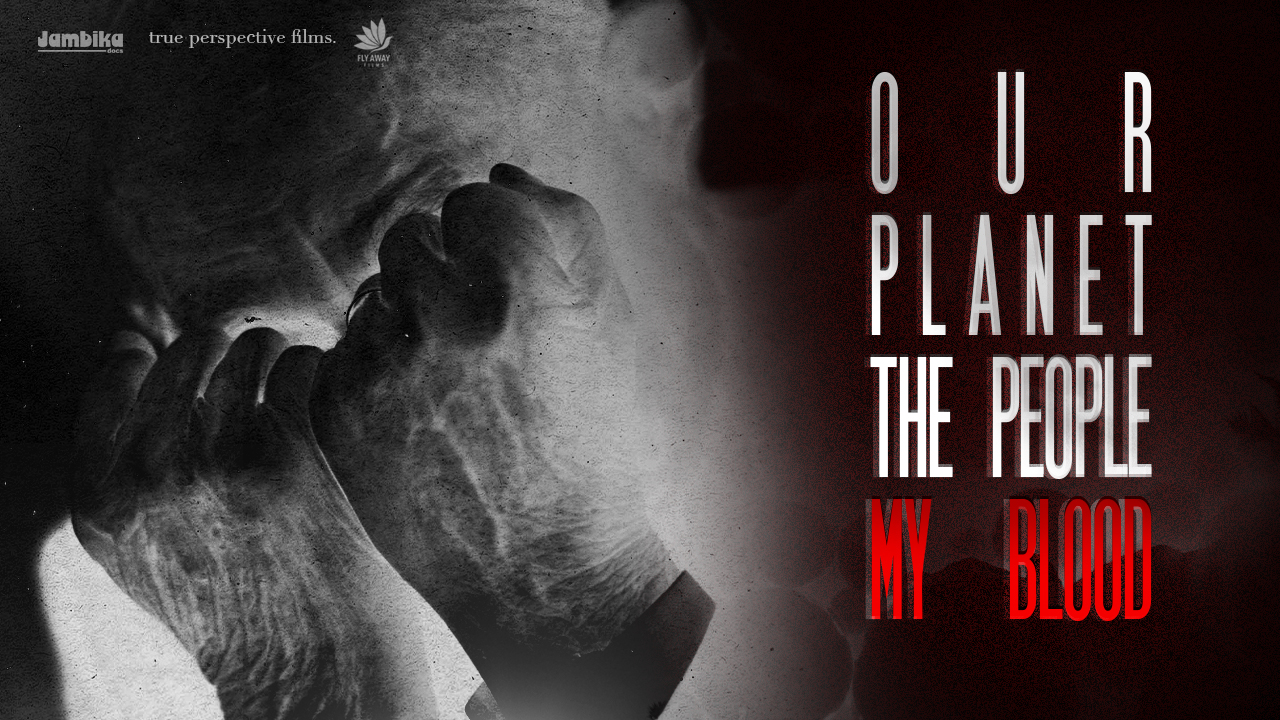
our planet, the people, my blood
feature documentary. released 2026
Synopsis
Alan Owen, a descendant of an Atomic Soldier, has fought tirelessly for the rights of those affected by Nuclear Weapons Testing around the world.
Through global first hand accounts, we follow Alan on his journey, as he takes on the UK's Ministry of Defence, in a landmark legal battle that seeks recognition and compensation for millions.
From 1945 to 1996 there were over 2,000 nuclear weapons tests conducted by global superpowers, including the USA, Russia, China, the UK, France, India and Pakistan.
Most of these countries never tested within their respective lands, and put millions of people across the world at risk through selfish and callous actions.
Our documentary follows a landmark legal battle that could shape the futures for millions of people, and uncovers the stories of these incredible people and their families who have endured exceptional pain and turmoil.
trailer.
the people.

Alan Owen
Founder of LABRATS and a key campaigner in the fight for the compensation and recognition of Atomic Veterans in the UK and beyond. Alan's father, who was present at 24 of the British tests at Christmas Island, suffered genetic damage that has been passed down multiple generations. Alan was pronounced clinically dead from a cardiac arrest for 8 minutes, due to a genetic condition that has appeared only in Alan, since his father's presence at the atomic tests.

Brian Unthank
An Atomic Veteran who was present for multiple British tests at Christmas Island. Despite his kindly persona, Brian is an avid campaigner for the recognition of Atomic Veterans. Amongst many other conditions due to the tests, he has suffered from over 90 skin cancers, and 13 major miscarriages. Many abnormalities have unfortunately been passed down his bloodline to his children and grandchildren.

Mary Dixon
An activist that can only be compared to a force of nature, Mary is a lifelong campaigner for the rights of Downwinders across the United States who have been affected by the atomic testing and production across the country. As a Salt Lake City local, she knows only too well the effects from these tests, and has lost multiple family members from cancers over the years.

Jonathan Jackson
An Enewetak Elder from the Marshall Islands, Jonathan was one of the first Marshall Islanders to move to Hawaii. Upon arriving, he helped hand build a church and re-home over 800 Marshall Islanders to the state of Hawaii. He also boasts a proud ability in filmmaking on the island, and has starred in multiple films shot in Hawaii.

Twa-Le Abrahamson
As a Spokane Tribal Member, Twa-Le knows only too well of the plight that communities endure when Nuclear Weapons Production is on your doorstep. Her hometown has been eternally impacted by the mining of uranium in the two biggest open pit mines in the USA. Not only has her family been impacted, but generations of her entire community. Twa-Le is well known for her Civil Rights Activism.

Jeremy Lebois
As chairman of the Maralinga Tjarutja council, he and his people have been heavily impacted by the UK tests that took place on his native lands. The UK came in without warning, radiated their lands without consideration and then sent his people back to a wasteland when they were done. Jeremy is a strong campaigner for the rights of indigenous Australians and the abolition of nuclear weapons.

Howard Kakita
As a survivor of the Hiroshima bombing, Howard's stories of that moment in history not only shock you, but leave you with an utter disbelief in how humanity could possibly act in such a callous and heartless way. His enduring spirit to move past one of the most horrific moments in human history is inspiring, and a moment to behold within the film.

Bo Jacobs
As a Professor at the Hiroshima City University, Robert Jacobs is a specialist in the history of Nuclear Weapons Technology. His book, 'Nuclear Bodies: The Global Hibakusha' is not only an incredibly compelling read, but also acted as a major inspiration for this documentary. Bo's exceptional contribution to this film will leave you with a clear understanding of the technology and the impacts on the world as a whole.
testimonials.
“This outstanding film chronicles a decades-long campaign for the recognition of those who witnessed the first nuclear tests. Recognition must go beyond a medal, it must include acceptance of the effects of radiation on them and their descendants. The work addressed in this film will, in the end, deliver what these people deserve: justice.”
“The film was a triumph. The global story of nuclear injustice was communicated brilliantly, and it's rare for the links to be made between uranium mining, bomb testing and secret sites like Hanford. You shine a light on the nuclear industrial complex, bringing into focus just how widespread the irresponsible practices at the heart of the Cold War were.”
“Scientists knew in the 1950's and 60's what the data was showing, yet a culture of cover-up and avoidance of responsibility followed. Through powerful testimony, the documentary shows how these harms are still affecting generations. We have a duty to those affected, and to their descendants.”
“The goosebumps you got from watching it, listening to the stories of these veterans and everything they've gone through. This documentary really shines a light on the fact that this is not just physical and mental issues that the veterans themselves are going through, but also the communities where these bombs were tested, and all of the descendants of those communities.”